TL;DR: Before hiring an Orlando roofing contractor, verify the license directly with Florida DBPR, confirm insurance coverage, examine permit history, compare itemized estimates, and read the written contract. Be wary of deductible-waiver promises, gifts tied to roof inspections or insurance claims, and requests for large deposits without a clear plan. Florida law imposes specific deadlines when an initial payment exceeds 10% of the contract price, subject to statutory exceptions.
A roof replacement is a major investment. Choosing a contractor carefully can reduce the risk of poor workmanship, incomplete permits, surprise charges, and warranty disputes. Use this seven-point checklist to compare local roofing companies—including DRS Roofing—on the same terms. For pricing context, see our 2026 Orlando roof replacement cost guide.
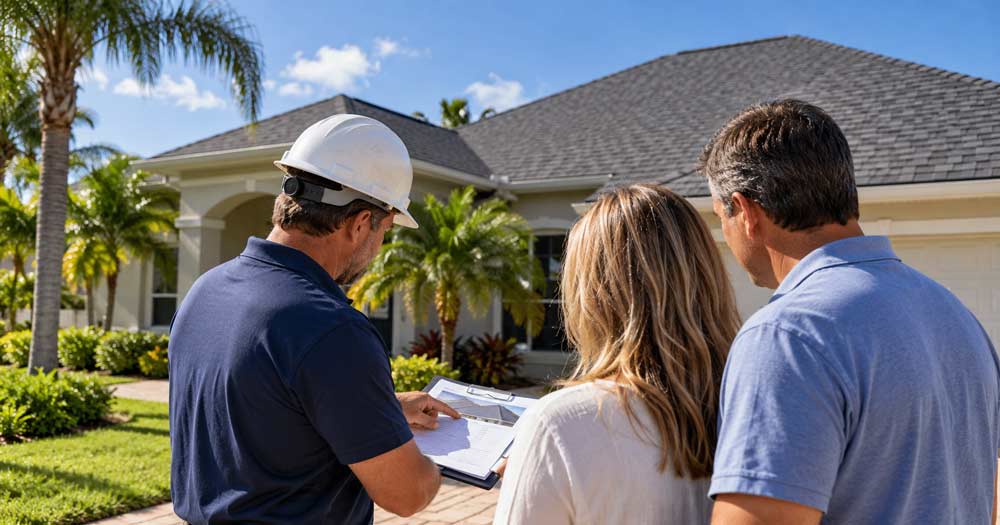
The 7-Point Roofing Contractor Checklist
| Check | How to verify it |
|---|---|
| 1. Florida license | Search Florida DBPR by license number and business name. |
| 2. Insurance | Request current liability and workers’ compensation documentation and confirm with the insurer. |
| 3. Local history | Check Sunbiz, business address, recent reviews, and references. |
| 4. Permit history | Search the appropriate county or city permitting portal. |
| 5. Written estimate | Compare specified products, scope, extras, and warranties. |
| 6. Contract notices | Read applicable statutory notices before signing. |
| 7. Payment schedule | Understand deposits, milestones, and completion terms. |
Step 1: Verify the Roofing License Yourself
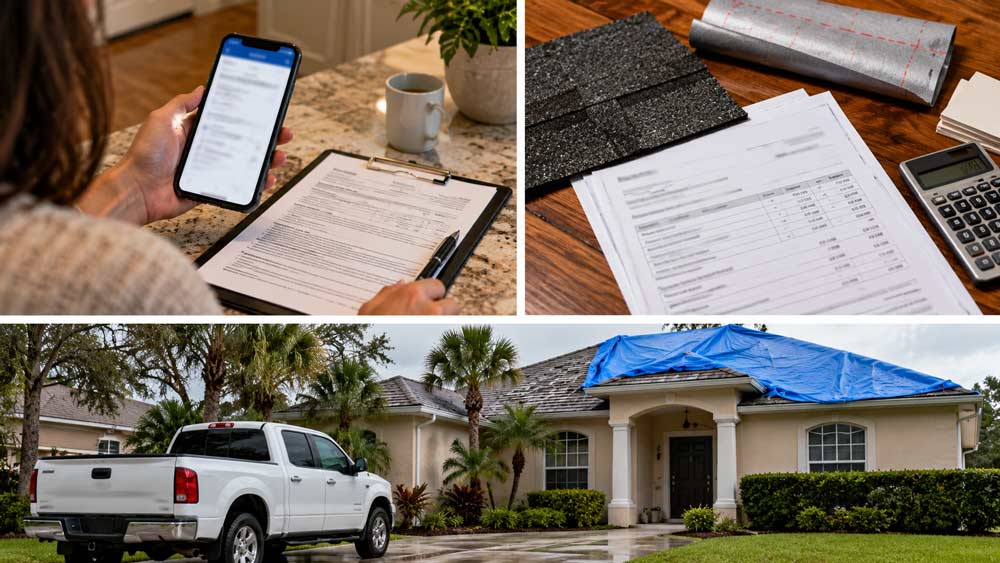
Do not rely on a license number printed on a truck or an estimate alone. Go to MyFloridaLicense.com, use the license search, and verify that the license is current and that the qualifying contractor and business information make sense for the company offering the contract. A Florida certified roofing contractor license commonly carries the CCC prefix; a registered roofing contractor’s authority is geographically limited. Ask questions if the contract lists a different entity from the one you verified.
A license verification is one check, not a guarantee of quality. Confirm that the contractor can lawfully undertake the specific job and obtain the relevant local permits.
Step 2: Confirm Insurance and Who Will Work on Your Roof
Ask for proof of commercial general liability and workers’ compensation coverage or applicable lawful exemptions. Confirm the information with the insurance provider where possible. Also ask whether the crew will be direct employees, subcontractors, or both; who supervises the work; and which company is responsible for callbacks. Avoid assuming that one certificate automatically covers every individual on the job.
Step 3: Check the Local Track Record and Permits
Look for a real business address, recent detailed customer reviews, references for comparable jobs, and a history of resolving warranty or workmanship concerns. Florida’s Sunbiz database can help identify registered business entities. For properties in unincorporated Orange County, research permits through Orange County Fast Track; incorporated cities and neighboring counties may have different portals.
Manufacturer credentials can be useful, but confirm the particular program and current status with the manufacturer rather than relying on a badge. Ask how many roofs using your chosen system the company has installed recently.
Step 4: Compare Written Estimates Line by Line
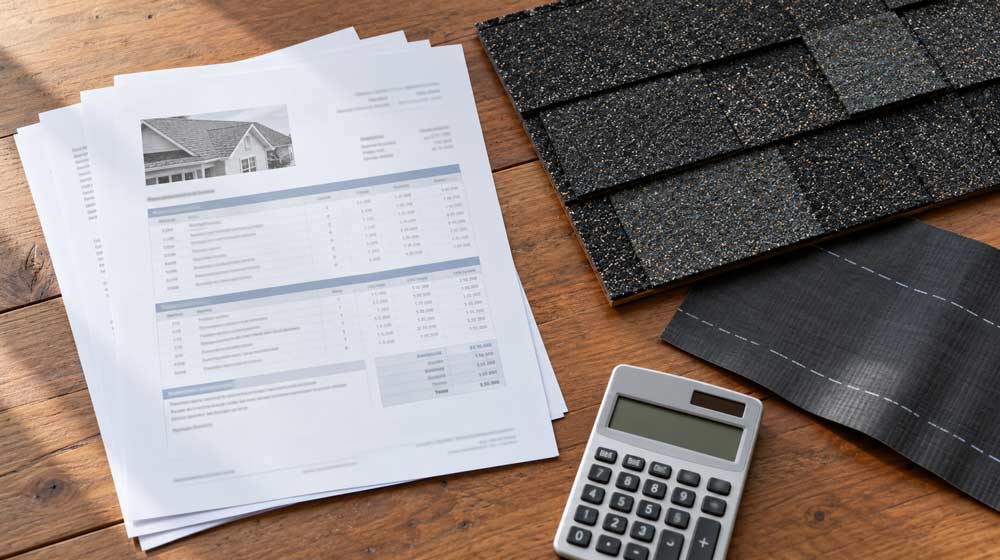
Every estimate should specify the roofing system and product, tear-off and disposal, underlayment, flashing, drip edge, vents, permit responsibility, cleanup, warranty coverage, and the price or method for unforeseen decking repairs. Where relevant, ask for applicable Florida product-approval details. A lower quote is not necessarily a better value if it omits materials or important work.
If you are not certain whether replacement is needed, read our roof repair versus replacement guide. For a full project overview, visit our roof replacement service page.
Step 5: Understand Florida Roofing Contract Requirements
Florida residential roofing agreements can involve several separate statutory requirements. They are not all triggered by the same circumstances, so review the actual wording and ask the contractor or a Florida attorney about any uncertainty.
| Topic | What to know | Florida statute |
|---|---|---|
| Recovery Fund notice | Contracts for residential work exceeding $2,500 in labor and materials must contain the prescribed notice. | §489.1425 |
| Roofing incentive notice | Residential roof repair or replacement contracts must contain notice of the prohibited roof-inspection/claim incentives. Omission may allow the homeowner to void within 10 days. | §489.147(5) |
| Insurance-coverage notice | A specified notice in bold type of at least 14 points belongs on the homeowner-signature page of residential roofing contracts. | §489.147(7) |
| Emergency cancellation | Certain roof contracts entered into within 180 days of a covered declared emergency can be canceled within 10 days or by the statutory official start date, whichever occurs first; prescribed notice and mailing requirements also apply. | §489.147(6) |
| Initial deposit over 10% | Generally triggers a 30-day permit-application deadline and a 90-day work-start deadline after necessary permits are issued, subject to just cause, permit exemptions, and written extensions. | §489.126 |
Florida law does not set a blanket 10% maximum roofing deposit under §489.126. The percentage instead triggers specific duties and deadlines. Insist that any payments, milestones, and agreed extensions are written into your contract.
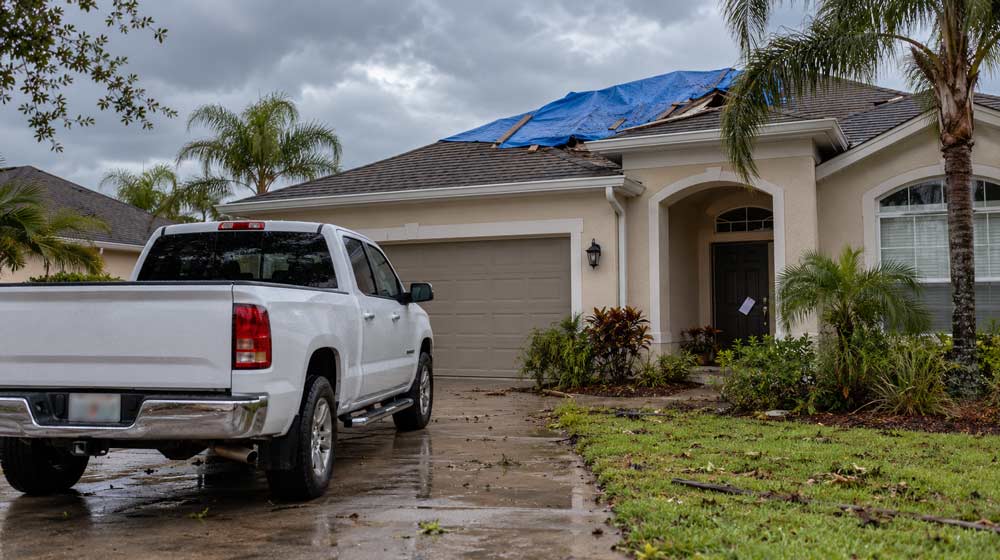
Step 6: Watch for Storm-Chaser Red Flags
- A promise to pay, waive, or rebate the insurance deductible. Knowingly doing so with intent to defraud can constitute insurance fraud.
- A cash reward or gift card in exchange for a roof inspection or filing a roof insurance claim. Florida §489.147 prohibits these roofing-related incentives. A separate genuine solar consultation is not automatically the same thing.
- Pressure to assign post-loss insurance benefits. For policies issued on or after January 1, 2023, Florida generally makes such assignments void, with statutory exceptions.
- A contractor interpreting your insurance coverage or negotiating your claim without the legally required authority.
- No written estimate, unclear permit responsibility, or unusually urgent demands for a large cash deposit.
- Unverifiable credentials, vague warranty terms, or promises that cannot be put in writing.
Read Florida §627.7152 for the assignment-of-benefits rules. If storm damage needs immediate stabilization, review our emergency roofing service; do not feel forced to sign a full replacement agreement before reviewing it.
Step 7: Ask These 10 Questions Before Signing
- What is your Florida contractor license number and who is the qualifying agent?
- Who will work on the property—employees, subcontractors, or both?
- Who supervises the crew and handles problems during installation?
- Which roofing product and underlayment are included?
- What are the applicable product approvals and installation requirements?
- How will hidden or damaged decking be priced?
- Who applies for the permit and schedules inspections?
- What does the workmanship warranty include and exclude?
- Are manufacturer warranty registrations included?
- Will I receive copies of permits, final inspection records, and installation documentation?
Match the Roofer to the Roofing Material
Shingle, tile, and standing-seam metal roofs involve different techniques, equipment, and installation requirements. Ask for examples of completed projects using your chosen system and talk to recent clients. Our Florida roof lifespan guide explains how materials differ over time.
Apply the Same Checklist to DRS Roofing
DRS Roofing of Central Florida has operated in the Orlando area since 1995 and lists its office at 6107 Anno Avenue, Orlando, FL 32809. Its Florida certified roofing contractor license is listed as CCC057239 (also displayed as CC-C057239 on company vehicles). Verify the current record yourself on the DBPR portal. Ask DRS directly for its current insurance certificates, manufacturer-designation status, trade memberships, and crew-supervision details rather than treating website marketing statements as independent verification.
Frequently Asked Questions
How do I verify a Florida roofing license?
Search by business or license number on the Florida DBPR website, then check the current status, license type, and parties associated with the agreement.
Certified versus registered roofing contractor: what is the difference?
A Florida certified roofing contractor can generally work statewide within the authorized scope. Registered contractors operate within the jurisdictions where their local registration is valid.
How much deposit can a roofer ask for?
Florida §489.126 does not impose a universal 10% cap. Instead, an initial payment greater than 10% triggers specific deadlines, with exceptions and permitted written extensions.
Can a roofing contractor cover my insurance deductible?
Be wary of any offer to pay or rebate a property insurance deductible. Florida law identifies knowingly or willfully doing so with intent to injure, defraud, or deceive as insurance fraud.
Can I cancel a Florida roofing contract?
Some homeowners have statutory cancellation or voiding rights, including certain emergency-related contracts and contracts missing the required incentive notice. Exact time limits and procedures matter. See §489.147.
How many roofing quotes should I get?
Three detailed quotes is a practical starting point. Compare equivalent products, scope, permits, payment terms, and warranties—not only the bottom-line price.
Get a Clear Written Roofing Estimate
When you are ready, call (407) 240-1225 or request a roofing estimate. DRS serves Orlando and surrounding Central Florida communities, including Winter Park, Oviedo, Winter Garden, and Clermont.
Updated October 2026. This article provides general information, not legal advice. Verify statutes and contract requirements with the appropriate agency or a qualified attorney for your particular situation.