TL;DR: In Central Florida, a typical three-tab asphalt shingle roof may last around 10 to 15 years, while architectural shingles commonly reach about 15 to 20 years and sometimes longer under favorable conditions. Concrete tile roof systems commonly serve for 30 to 50 years or more, clay tile can last even longer, standing seam metal roofs can reach 40 to 70 years, and many flat or low-slope roof systems last roughly 10 to 20 years.
Those are practical planning ranges, not expiration dates. Actual roof life depends heavily on the specific product, installation quality, attic design, maintenance, storm exposure, roof geometry, and drainage.
Three things matter more than most homeowners realize:
- On tile roofs, the underlayment often needs attention long before the tile itself reaches the end of its usable life. For many Florida tile roof systems, that may happen somewhere around year 20 to 30, although modern underlayments can perform differently depending on the product and installation.
- Attic ventilation and insulation matter on homes designed with conventional vented attics. Poorly designed or obstructed ventilation can contribute to excessive attic heat and moisture problems.
- Your insurer may scrutinize your roof’s age before the roof has physically failed. Florida law provides important protections, but roof age and condition can still affect underwriting decisions.
If your roof is approaching 15 years, a professional evaluation can help you understand its actual condition and remaining useful life — not because every 15-year-old roof needs replacement, but because that age becomes increasingly relevant to maintenance and insurance decisions.
DRS Roofing of Central Florida — serving Orlando, Winter Park, Oviedo, Winter Garden, and Clermont since 1995. Call (407) 240-1225 for a free roof evaluation.
Quick Reference: Typical Roof Lifespan in Central Florida
| Roofing Material | Typical Central Florida Lifespan | What Commonly Needs Attention First |
|---|---|---|
| 3-tab asphalt shingle | 10–15 years | Granule loss, cracking, wind damage |
| Architectural asphalt shingle | 15–20 years, sometimes longer | Granule loss, sealant and shingle wear |
| Concrete tile | 30–50+ years | Underlayment, flashing, broken tiles |
| Clay tile | 40–60+ years | Underlayment, flashing, broken tiles |
| Standing seam metal | 40–70 years | Coatings, flashing and seams |
| Exposed fastener metal | 20–40 years | Fasteners, washers, seams and coatings |
| Flat / low-slope roofing | 10–20 years | Seams, flashings, membrane wear and drainage |
These are realistic planning ranges for inland Central Florida — not manufacturer warranty periods and not guarantees.
There is no single universally accepted “national average” for each roofing material. Manufacturers use different products, warranties, testing standards, and installation systems. Climate and workmanship also have a major effect on real-world service life.
A shingle marketed with a long warranty is therefore not a promise that the roof will remain problem-free for that entire period in Central Florida.
Why Florida Roofs Can Wear Out Faster Than National Numbers Suggest
National roofing guides often describe roofing performance across a wide range of climates. Central Florida places a particularly demanding combination of stresses on a roof.
UV exposure is intense. Prolonged solar exposure contributes to deterioration of asphalt roofing materials. Over time, the asphalt in shingles can become more brittle as protective granules are lost and the material ages.
Thunderstorms are extremely frequent. Interior Central Florida, including Orlando, experiences roughly 80 to 90 thunderstorm days in a typical year. These storms bring repeated wind, heavy rain, lightning and, at times, hail or damaging straight-line winds.
Not every thunderstorm damages a roof, but repeated severe-weather exposure increases the opportunity for lifted shingles, loosened flashing, wind-driven rain and impact damage.
Roof temperatures change substantially from day to night. Roofing materials repeatedly heat and cool, expanding and contracting over time. This movement can contribute to aging of shingles, sealants, flashings and other components.
Attic conditions matter. On homes designed with conventional vented attics, blocked soffit vents, inadequate exhaust ventilation, poor insulation or improper air sealing can allow excessive heat or moisture to accumulate. Properly designed unvented or conditioned attics operate differently, so ventilation should always be evaluated as part of the home’s overall attic design rather than treated as a one-size-fits-all solution.
Florida’s humidity and frequent rainfall create moisture-management challenges. High humidity promotes algae growth on roof surfaces, while repeated rain can keep shaded areas, roof debris and poorly drained sections wet longer. More importantly, any water that enters through failed flashing, damaged roofing or other defects can create decking and attic moisture problems if it is not detected and corrected.
The practical result is that the same roofing product may not perform for the same number of years on every house or in every climate. Florida’s sun, heat, storms and moisture can shorten service life — particularly when installation or attic conditions are less than ideal.
Asphalt Shingle Roofs: About 10 to 20+ Years in Central Florida
Asphalt shingles cover a large share of homes across Orange, Seminole, Osceola, and Lake counties. They’re affordable, relatively quick to install, widely available, and among the shorter-lived common residential roofing options in Florida.
Three-Tab Shingles: About 10 to 15 Years
Three-tab shingles are a thinner, single-layer style that was widely installed for decades.
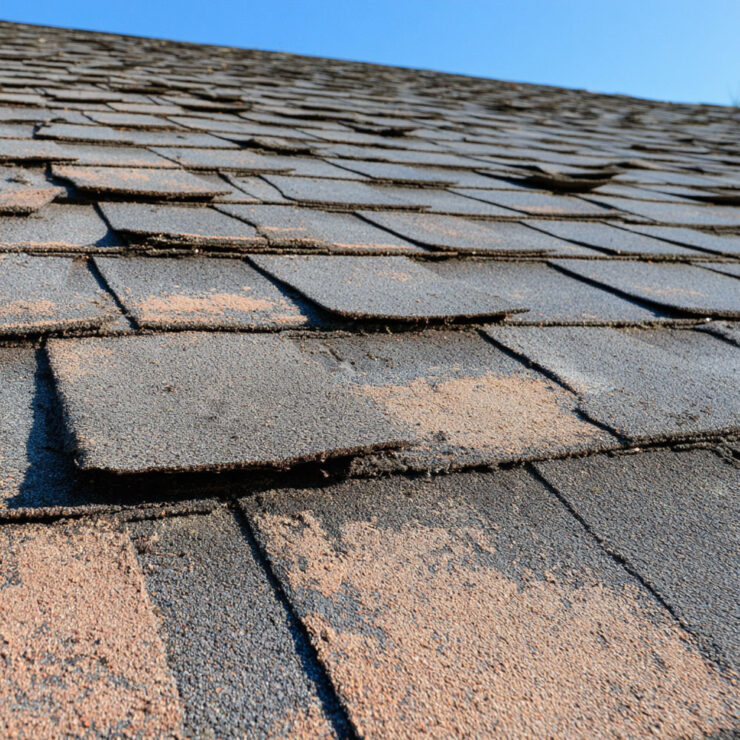
Compared with modern architectural shingles, they generally provide less material thickness and typically lower wind resistance. In Central Florida conditions, many three-tab roofs reach the end of their practical service life somewhere around the 10-to-15-year range, although individual roofs can perform differently.
Architectural Shingles: About 15 to 20 Years — Sometimes Longer
Architectural, or dimensional, shingles are thicker and layered and generally provide better durability and wind performance than traditional three-tab shingles.
In Central Florida, a quality architectural shingle roof installed correctly over a properly designed roof and attic system can commonly reach 15 to 20 years. Some well-installed roofs remain serviceable into their low twenties or beyond, while others require replacement earlier because of storm damage, installation problems or other conditions.
That potential for longer service life is one reason architectural shingles have largely replaced three-tab shingles for residential reroofing.
We cover material and cost differences in more detail in our metal roof vs. shingle cost comparison.
What Actually Ends a Shingle Roof’s Life?
It is often cumulative rather than one dramatic failure.
Over time:
- Protective granules are gradually lost.
- Asphalt becomes more exposed to sunlight.
- Shingles may become brittle, cracked or curled.
- Adhesive seals can weaken.
- Flashing and sealants around penetrations can deteriorate.
- Repeated storm damage can make individual repairs increasingly impractical.
Signs Your Shingle Roof May Be Nearing the End
- Excessive granule accumulation in gutters or around downspout outlets on an aging roof. Some granule shedding is normal, particularly on newer shingles, so granules alone do not mean the roof has failed.
- Shingles curling, cupping or cracking across multiple slopes
- Bald areas where significant granule coverage has worn away
- Missing or repeatedly lifted shingles
- Repeated repairs in different areas within a relatively short period
- Water staining or signs of moisture on attic decking
- Visible openings through the roof deck that are not intentional ventilation openings
If you’re seeing several of these conditions, our guide to roof repair vs. replacement in Orlando walks through how to make that decision without replacing a roof too early or continuing to repair one that is genuinely near the end.
Tile Roofs: 30 to 50+ Years — But Watch the Underlayment
Concrete and clay roof tiles themselves can be extremely durable.
Tile tolerates heat and UV exposure well compared with asphalt shingles, and properly installed tile systems can perform for decades in Florida. Concrete tile roof systems commonly serve for 30 to 50 years or more, while clay tile itself can remain serviceable substantially longer.
But there is an important distinction between the life of the tile and the life of the entire roofing system.
The Tile and Underlayment Work Together
Roof tile is the primary water-shedding surface. It directs most rainwater down and off the roof while also protecting components underneath from direct sunlight and weather.
Beneath the tile is the roof underlayment, which provides an important secondary water barrier. This layer becomes especially important when wind-driven rain gets past the tile or when a tile is cracked, displaced or missing.
The underlayment often reaches the end of its useful life before the tile.
For many Florida tile roof systems, underlayment replacement or significant underlayment work becomes necessary somewhere around 20 to 30 years. But that is not a universal replacement interval.
Older asphalt-felt underlayments, modern synthetic products and self-adhered modified-bitumen membranes can have very different performance characteristics. Installation quality, roof design, exposure and product specifications also matter.
That is why the condition of a tile roof cannot be determined accurately from its age alone.
What Does Tile Re-Underlayment Involve?
When the tile is still serviceable and suitable for reuse, a contractor may be able to:
- Carefully remove the existing tiles
- Inspect the roof deck
- Remove the aging underlayment
- Install a new approved underlayment system
- Replace damaged or unusable tiles as necessary
- Reinstall reusable tiles
This can avoid purchasing an entirely new set of roof tiles, but it is still substantial roofing work. Labor, broken tiles, discontinued tile profiles, decking repairs and current code requirements can all affect whether reuse is practical and what the project costs.
If You Own a Tile Roof
Don’t track only the age of the visible tile.
Try to determine:
- When the roof was installed
- What type of underlayment was installed
- Whether the underlayment has ever been replaced
- Whether tiles have been repeatedly repaired
- Whether leaks occur primarily during wind-driven rain
- Whether flashing and roof penetrations remain sound
If the roof is more than 20 to 25 years old and nobody can tell you what is underneath the tile or when the system was last serviced, a professional inspection is worthwhile.
Metal Roofs: 40 to 70 Years
Metal roofing is one of the longest-lasting practical residential roofing options for Central Florida.
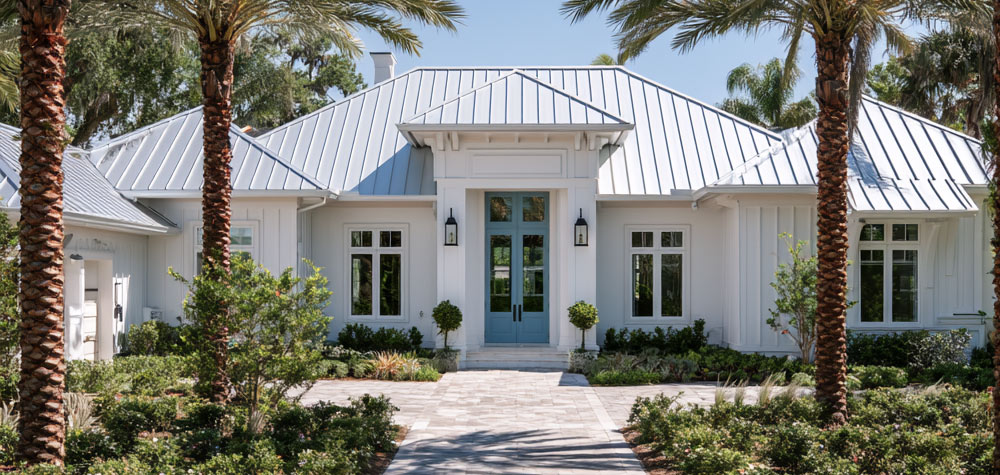
Standing Seam Metal: About 40 to 70 Years
Standing seam systems use interlocking panels with concealed fasteners, which protects the fastening system from direct weather exposure.
High-quality coated standing seam systems can provide decades of service when properly designed and installed.
Exposed Fastener Metal: About 20 to 40 Years
Systems such as 5V crimp and corrugated panels use fasteners that penetrate the panels and remain exposed to weather.
The metal panels themselves can last a long time, but the exposed fasteners, washers, penetrations, coatings and seams require more attention over the life of the roof.
Fasteners and sealing components should be inspected periodically as the system ages. There is no universal schedule for replacing them because the correct interval depends on the product, installation and exposure.
Why Metal Can Perform Well in Central Florida
Metal sheds water efficiently during heavy rain, performs well under high-wind conditions when engineered and installed correctly, and is not subject to the same granule loss and asphalt deterioration as shingles.
Metal can also perform well thermally, but there is an important qualification:
Metal does not automatically “reflect heat.”
Solar performance depends on the roof’s color, coating, solar reflectance and thermal emittance. Many factory-coated metal roofing products are designed to reflect a substantial portion of solar energy and can reduce roof-surface temperatures and cooling loads compared with less-reflective roofing materials.
The Trade-Off Is Initial Cost
Metal roofing generally costs substantially more upfront than an architectural shingle roof.
Whether the additional investment makes financial sense depends on:
- The type of metal system
- How long you expect to own the home
- Maintenance requirements
- Insurance considerations
- Energy performance
- Resale value
- The cost of future reroofing
A shorter ownership horizon can make it harder to recover the additional upfront cost purely through avoided reroofing. For a long-term home, however, metal becomes more attractive because a quality metal roof may last two or even three times as long as an asphalt shingle roof.
We break current local costs down in our Orlando roof replacement cost guide.
What About Salt Air?
Salt exposure is an important consideration for coastal metal roofs.
Orlando, Winter Park, Oviedo, Winter Garden and Clermont are well inland, so direct salt-air exposure is generally much less significant than it is on beachfront or near-coastal properties.
That does not mean corrosion can be ignored. The specific metal, coating, fasteners and installation details still matter. But Central Florida homeowners should not evaluate metal roofing using advice written specifically for homes directly on the coast.
Flat and Low-Slope Roofs: About 10 to 20 Years
Flat and low-slope roof systems are common on commercial buildings, additions, Florida rooms and some residential designs.
Common systems include TPO, modified bitumen and built-up roofing.
The term “flat roof” is somewhat misleading. A properly designed low-slope roof should still have enough slope and drainage to move water toward drains, scuppers or gutters.
Ponding water is not something a flat roof is supposed to do simply because it is flat.
When drainage is inadequate or parts of the roof settle, standing water can remain after a storm. Chronic ponding places additional stress on membranes, seams and flashings and may contribute to premature deterioration.
Other major factors include:
- Seam quality
- Flashing installation
- Drainage design
- UV exposure
- Membrane thickness and product type
- Rooftop equipment
- Foot traffic
- Maintenance
A well-designed and properly maintained low-slope roof may reach or exceed the upper end of its expected range, while poor drainage or installation defects can shorten its life considerably.
If your home has a flat section attached to a pitched roof, do not assume both sections will require replacement at the same time. They are different roofing systems and may age at very different rates.
What Actually Changes Your Roof’s Lifespan?
Two roofs installed on the same street in the same year can age very differently.
Here are the biggest reasons.
Attic Design, Ventilation and Insulation
On a home with a conventional vented attic, balanced intake and exhaust ventilation can help control attic heat and moisture.
Blocked soffit vents, inadequate exhaust vents or poorly installed insulation can interfere with that system.
But not every attic should be ventilated the same way. Properly designed unvented or conditioned attics are legitimate building systems and operate under different principles.
The important question is not simply, “Does my attic have enough vents?”
It is: Is the entire attic and roof assembly designed and functioning correctly?
Installation Quality
Correct nail placement and count, appropriate flashing, proper starter courses, manufacturer-approved details and careful treatment of roof penetrations all matter.
Installation defects often stay hidden for years before they become leaks or wind-damage problems.
This is one reason contractor credentials, manufacturer requirements and local roofing experience matter. We cover that in more detail in our guide to choosing an Orlando roofing contractor.
Roof Color and Solar Reflectance
Roof color can affect surface temperature, but color alone is not a reliable way to predict service life.
Darker conventional roofing products often absorb more solar energy than lighter or specially formulated “cool roof” products. However, modern reflective pigments and coatings mean two roofing materials that appear similar in color can perform differently.
Color is therefore one factor among many — and generally less important than installation quality, product quality, ventilation, storm history and maintenance.
Roof Pitch and Drainage
Steeper roofs generally shed rain quickly.
Lower-slope roofs drain more slowly and depend heavily on correct material selection, flashing and drainage details.
A properly designed low-slope roof should not chronically hold water. Persistent ponding indicates a drainage or structural issue that deserves attention.
Tree Cover
Tree cover cuts both ways.
Shade can reduce direct solar exposure, but overhanging trees can:
- Drop leaves and organic debris
- Keep portions of a roof damp longer
- Promote algae or other organic growth
- Damage roofing through falling limbs
- Increase the amount of debris hitting the roof during storms
Branches should be maintained so they do not rub directly against roofing materials.
Storm History
A roof’s history matters more than simply counting how many hurricanes or named storms have occurred since installation.
The important factor is whether the roof actually experienced significant wind, hail, flying debris or other damaging conditions.
Some storm damage is obvious. Other problems — such as partially lifted shingles, loosened flashing or compromised seals — may not be readily visible from the ground.
After a significant storm affecting your property, documentation and inspection can help identify damage while it is still repairable.
Our hurricane season roof preparation checklist explains what to check before and after severe weather.
Maintenance
Maintenance cannot make worn-out roofing material new again, but it can prevent avoidable problems from shortening the system’s life.
Useful maintenance can include:
- Keeping gutters and drainage paths clear
- Removing accumulated debris
- Repairing isolated damaged shingles or tiles promptly
- Addressing flashing problems before they cause leaks
- Maintaining roof penetrations and sealants where appropriate
- Trimming damaging tree limbs
- Having suspected problems evaluated before water intrusion spreads
Periodic inspections can identify small problems early. The inspection itself does not extend a roof’s life; correcting the problems it finds is what can help prevent premature failure.
Why Roof Age Matters So Much in Florida
In Florida, roof age is not only a maintenance issue. It can also become an insurance issue.
Florida homeowners insurers pay close attention to roof age and condition when evaluating properties.
However, there is an important protection homeowners should understand.
Under Florida Statute 627.7011(5):
- An insurer may not refuse to issue or renew a homeowners policy solely because of roof age when the roof is less than 15 years old.
- If the roof is at least 15 years old, the insurer must allow the homeowner to obtain an inspection by an authorized inspector, at the homeowner’s expense, before requiring roof replacement as a condition of issuing or renewing the policy.
- If that authorized inspection shows the roof has five years or more of useful life remaining, the insurer may not refuse to issue or renew the homeowners policy solely because of the roof’s age.
Those protections do not mean every 15-year-old roof is automatically insurable regardless of condition. Insurers may still consider documented deterioration and other lawful underwriting factors.
That creates a situation Florida homeowners sometimes face:
The point at which insurance considerations become important may arrive before the roof physically fails.
For example, a shingle roof may still have useful service life remaining while its age prompts an insurer to request additional documentation or evaluate its condition more closely.
Before replacing a functioning roof solely because of its age, understand what your carrier is actually requiring and why.
Two Florida rules are particularly important:
- Florida’s 15-year roof rule — what state law actually says about roof age and homeowners insurance.
- Florida’s 25% roof rule — when substantial roof repairs can trigger current-code requirements and when Florida’s statutory exception may apply.
There is also a potential insurance benefit worth investigating. A wind mitigation inspection documents qualifying wind-resistant construction features that may make a home eligible for insurance credits under a carrier’s approved rating plan.
The amount varies by home and insurer, so a wind mitigation inspection should not be viewed as a guaranteed dollar savings. Its value is that it gives the insurance company verified information about qualifying features that may otherwise not be reflected in the policy.
How to Estimate Where Your Roof Is in Its Life
You do not need to climb onto the roof yourself.
Start here.
1. Find the Installation Date
Check:
- Closing documents
- Previous roofing invoices
- Warranty paperwork
- Seller disclosures
- County or municipal permit records
Orange, Seminole, Osceola and Lake counties maintain permit information that can help establish when reroofing work was performed.
2. Identify the Material
From the ground:
- Three-tab shingles generally have a flatter, more uniform appearance.
- Architectural shingles have a thicker, dimensional appearance.
- Tile may have flat, curved or S-shaped profiles.
- Metal roofing generally consists of visible panels or seams.
- Low-slope sections may use smooth or granular membrane systems.
If you are unsure, photographs or a professional inspection can identify the system accurately.
3. Check the Gutters
On an aging asphalt roof, excessive shingle granules accumulating in gutters and downspouts can indicate ongoing wear.
But some granule shedding is normal, particularly after new shingles are installed. Do not diagnose a failing roof from gutter granules alone.
4. Look From the Ground
Visible warning signs include:
- Curling or cracked shingles
- Missing or displaced shingles
- Broken or slipped tiles
- Significant bald spots on shingles
- Sagging roof lines
- Deteriorated flashing
- Corrosion or loose components on metal roofing
- Debris obstructing drainage
Never climb onto a damaged or steep roof simply to inspect it.
5. Check the Attic
Look for:
- Water stains on decking
- Damp or deteriorated wood
- Wet insulation
- Active drips
- Mold or moisture accumulation
- Openings through the roof deck that are not part of an intentional ventilation system
These signs do not automatically mean the entire roof needs replacement, but they do justify finding the source.
6. Get a Professional Evaluation
Roof age gives you context.
Condition tells you what actually needs to be done.
A licensed roofing contractor can evaluate material wear, flashing, penetrations, storm damage, decking concerns and other conditions that cannot be judged accurately from age alone.
A good assessment should also be willing to tell you when replacement isn’t necessary.
Frequently Asked Questions
How long does a roof last in Florida on average?
There is no single lifespan for a Florida roof because roofing materials differ substantially.
As a practical Central Florida planning range:
- Three-tab asphalt shingles: roughly 10 to 15 years
- Architectural shingles: roughly 15 to 20 years, sometimes longer
- Concrete tile roof systems: roughly 30 to 50 years or more
- Clay tile systems: roughly 40 to 60 years or more
- Standing seam metal: roughly 40 to 70 years
- Many flat and low-slope systems: roughly 10 to 20 years
Actual life depends on the roofing product, installation, roof design, attic conditions, maintenance and storm exposure.
How long does a shingle roof last in Orlando?
Architectural asphalt shingles commonly provide about 15 to 20 years of service in Central Florida, although well-installed systems in favorable conditions may last into their low twenties or longer.
Traditional three-tab shingles often have a shorter practical service life, commonly around 10 to 15 years.
Age alone does not determine whether a specific roof needs replacement.
What roofing material lasts longest in Florida?
Metal roofing and tile are among the longest-lasting common residential options.
Quality standing seam metal can provide several decades of service, while concrete and clay tile themselves can remain usable for many decades.
Tile roofs have an important caveat: the underlayment and other system components may need replacement or major work before the tiles themselves wear out.
Does my roof need replacing at 15 years in Florida?
No.
Florida law does not require homeowners to replace a roof simply because it turns 15 years old.
For homeowners insurance policies, Florida Statute 627.7011 provides specific roof-age protections. A roof that is 15 years or older may qualify for an authorized inspection to document whether it has at least five years of useful life remaining.
Roof condition, however, still matters. A badly deteriorated 15-year-old roof and a well-maintained 15-year-old roof are not the same thing.
Can I extend my roof's lifespan?
You can reduce the risk of premature failure.
Useful steps include:
- Correcting drainage problems
- Keeping gutters clear
- Removing roof debris
- Repairing storm damage promptly
- Maintaining flashing and penetrations
- Trimming damaging tree limbs
- Addressing attic ventilation, insulation or moisture problems where appropriate
- Having suspected problems evaluated before they become larger leaks
Does better attic ventilation make a roof last longer?
It can help on homes designed with conventional vented attics, particularly where the existing ventilation system is inadequate or blocked.
However, some homes are intentionally designed with unvented or conditioned attics. Those systems should not simply have vents added.
The correct approach depends on the design of the entire roof and attic assembly.
Get an Honest Answer About Your Roof
The most useful thing a roofing contractor can sometimes tell you is, “You’ve still got a few good years left.”
A roof should be replaced because its condition, expected remaining life, repair history, insurance situation or economics justify replacement — not simply because somebody wants to sell a roof.
DRS Roofing of Central Florida has been assessing, repairing and replacing roofs across Orange, Seminole, Osceola and Lake counties since 1995.
DRS operates under Florida Certified Roofing Contractor License #CCC057239 and has maintained AtlasPRO Diamond Level contractor status since 2019.
Whether your roof is at year 12 or year 32, we’ll inspect it, show you what we find and explain your options.
Call (407) 240-1225
or
Click here to request your free roof evaluation online.
Serving Orlando, Winter Park, Oviedo, Winter Garden, Clermont and surrounding Central Florida communities.
DRS Roofing of Central Florida has served Orlando homeowners and businesses since 1995. Florida Certified Roofing Contractor License #CCC057239. Lifespan ranges in this article reflect typical planning ranges for inland Central Florida conditions and are not guarantees. Actual roof life varies according to the roofing product, installation quality, attic and roof design, ventilation, drainage, maintenance, material grade and storm exposure. This article is for general informational purposes only and does not constitute insurance, legal or financial advice. Insurance carrier practices and underwriting guidelines vary by company and change over time. Consult your carrier or a licensed insurance agent regarding your specific policy.


